Battery Chemistries Explained: LiFePO4 vs. Standard Lithium-ion
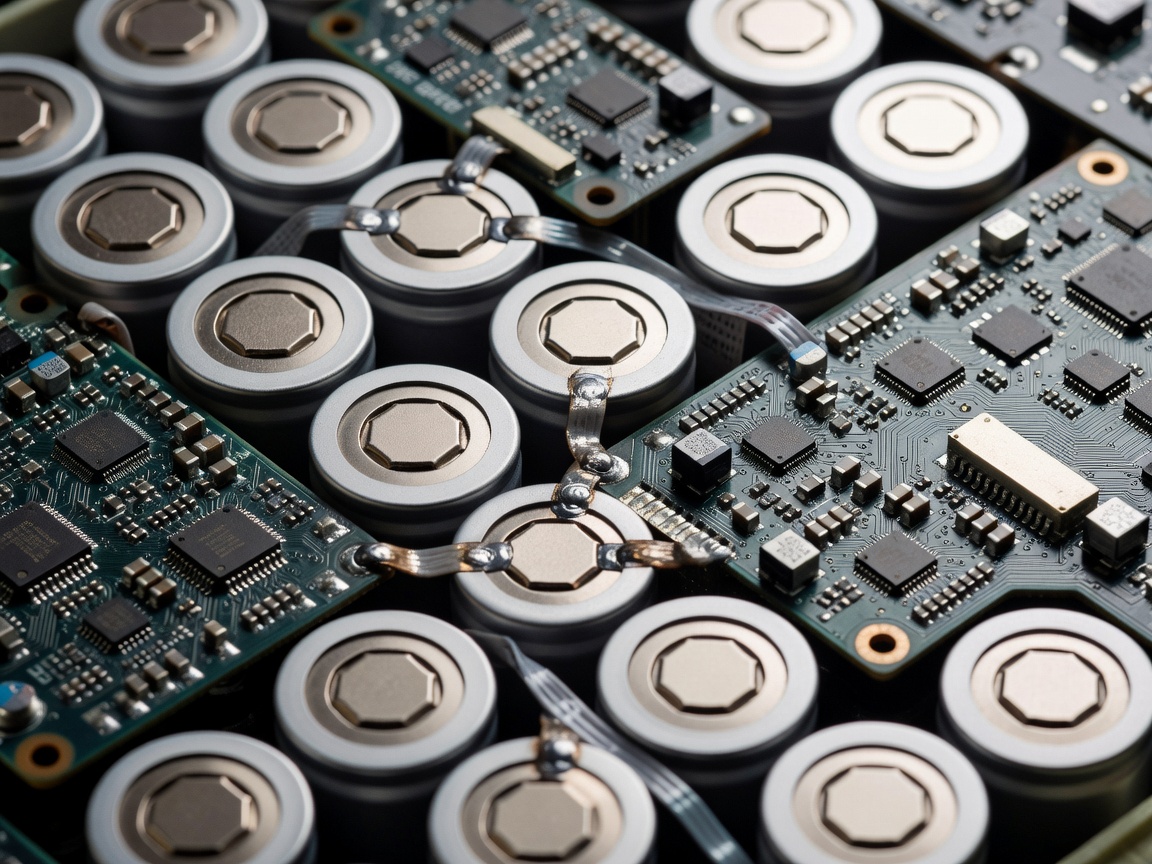
The heart of any portable power station is its internal battery pack. While the term "lithium battery" is thrown around casually, it acts as an umbrella for several distinct chemical compositions that behave very differently under stress, aging, and daily use.
In the current market for portable power stations, you will essentially be choosing between two dominant chemistries: traditional Lithium-ion (often Nickel Manganese Cobalt or NMC) and Lithium Iron Phosphate (LiFePO4 or LFP). Understanding the trade-offs between these two is critical for making an investment that suits your specific lifestyle.
The Incumbent: Standard Lithium-ion (NMC)
Lithium-ion batteries utilizing NMC chemistry have been the industry standard for consumer electronics, electric vehicles, and early portable power stations for over a decade. They are renowned for their incredible energy density. This means they can pack a massive amount of power into a very small, lightweight footprint.
Pros of Lithium-ion (NMC):
- Energy Density: Unmatched weight-to-power ratio, making the units significantly lighter and easier to carry.
- Cold Weather Performance: Generally better at discharging power in sub-zero temperatures compared to other chemistries.
- Compactness: Ideal for backpackers or those with extremely limited cargo space.
Cons of Lithium-ion (NMC):
- Lifespan: Typically rated for 500 to 800 charge cycles before the battery capacity degrades to 80% of its original rating.
- Thermal Runaway: Under extreme physical damage or catastrophic failure, NMC cells are prone to thermal runaway (fire), though modern Battery Management Systems (BMS) make this exceedingly rare.
If you use a power station every single day, an NMC battery will likely show noticeable degradation within two years. A LiFePO4 battery under the same conditions could last a decade before showing similar wear.
The Challenger: Lithium Iron Phosphate (LiFePO4)
In recent years, the portable power industry has seen a massive shift toward Lithium Iron Phosphate (LiFePO4) batteries. While they are marginally heavier and bulkier than their NMC counterparts, they offer distinct advantages that make them superior for long-term investments and daily use.
Pros of LiFePO4:
- Exceptional Longevity: Capable of 2,500 to 3,500+ charge cycles before reaching 80% capacity. For the average user, this translates to over a decade of reliable use.
- Safety and Stability: The chemical structure is inherently more stable. LiFePO4 is virtually immune to thermal runaway, making it the safest choice for keeping inside vans, RVs, or homes.
- Consistent Voltage: LiFePO4 maintains a very steady voltage output throughout its discharge cycle, only dropping off sharply right at the end.
Cons of LiFePO4:
- Weight: They are noticeably heavier. A 1000Wh LiFePO4 unit might weigh 12-14kg, whereas an NMC equivalent might weigh 9-10kg.
- Low Temperature Charging: You cannot safely charge a LiFePO4 battery when the core temperature drops below freezing (0°C/32°F) without causing irreversible plating to the cells. Premium units bypass this by including internal heating pads.
Which Should You Choose?
The decision ultimately comes down to your intended use case.
Choose Standard Lithium-ion (NMC) if: Portability is your absolute primary concern. If you need to carry the power station over long distances, up stairs frequently, or if you only plan to use it a few times a year for emergency weekend trips, the lighter weight of NMC is a massive benefit, and the lower cycle life won't be a limiting factor.
Choose LiFePO4 if: You are building a system for daily off-grid living, vanlife, or frequent home backup. If the unit is going to sit in one place most of the time, the extra weight is irrelevant, and the decade-long lifespan makes LiFePO4 a significantly better return on investment.