Demystifying Inverters: Pure Sine Wave vs. Modified Sine Wave
A battery natively stores and distributes power as Direct Current (DC). However, the appliances in your home and the standard wall plugs they rely on require Alternating Current (AC). The component inside your portable power station responsible for this vital conversion is the inverter. The quality of this inverter directly dictates what devices you can safely operate.
The Nature of Alternating Current
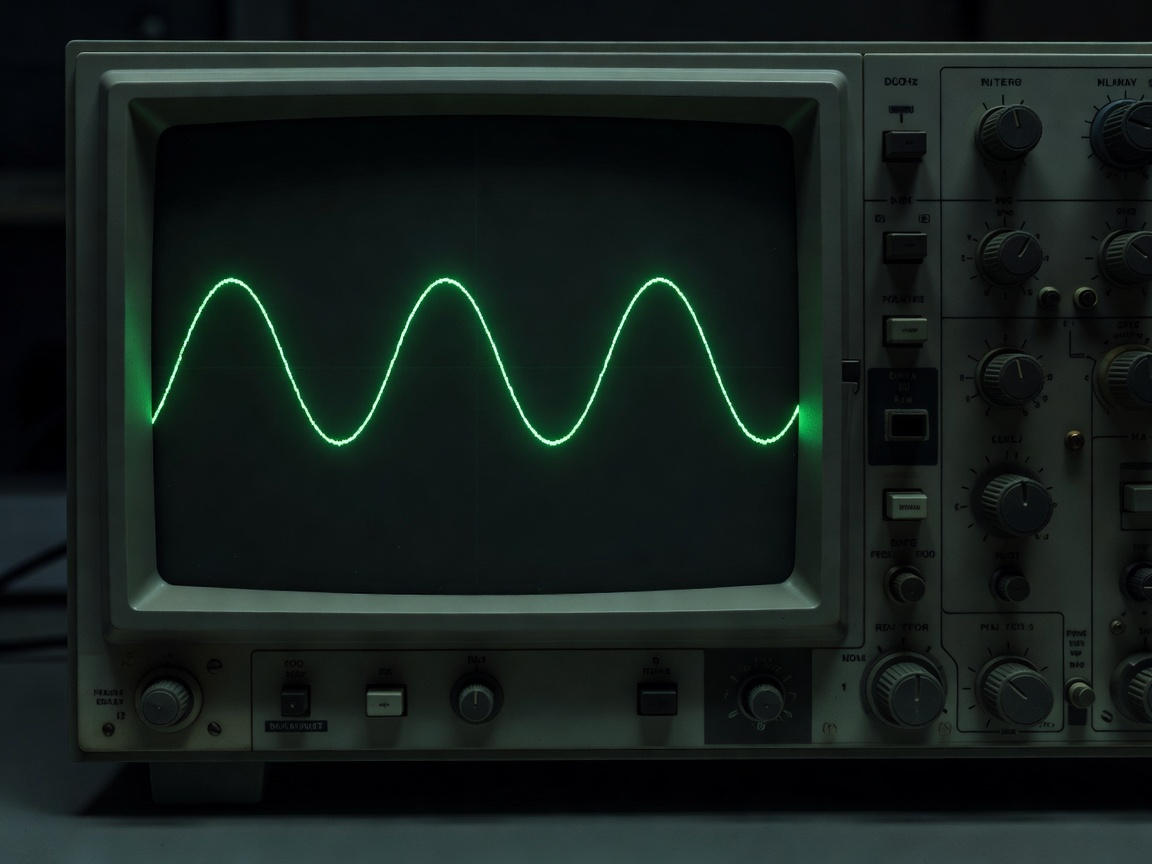
In a standard household grid, electricity flows in a smooth, undulating waveform that seamlessly transitions from positive to negative voltage. This is called a "sine wave." The electronics inside your laptop chargers, medical devices, and televisions are specifically engineered to expect this smooth transition of power.
A high-quality Pure Sine Wave inverter will have a THD of less than 3%, meaning the electrical signal is virtually indistinguishable from (or even cleaner than) grid power supplied by your utility company.
Modified Sine Wave: The Budget Compromise
Older or highly budget-focused power units often employ a Modified Sine Wave (MSW) inverter. Instead of a smooth wave, an MSW inverter creates a "blocky" or "stair-step" waveform that rudely snaps between positive, zero, and negative voltages.
While an incandescent lightbulb or a simple resistive heater doesn't care about the shape of the wave, sophisticated electronics certainly do. Operating sensitive equipment on a Modified Sine Wave can lead to:
- Audio/Visual Interference: Televisions may display lines, and audio amplifiers may emit a loud, continuous buzzing sound.
- Overheating: Motors (like those in fans or refrigerators) will run less efficiently, consume up to 20% more power, and run significantly hotter, reducing their lifespan.
- Total Failure: Devices utilizing digital clocks, thyristors (found in laser printers), or complex AC adapters (like CPAP machines) may fail to turn on entirely or suffer permanent damage.
Pure Sine Wave (PSW): The Modern Standard
Today, any portable power station worth its salt will proudly advertise a Pure Sine Wave (PSW) inverter. These inverters utilize complex internal circuitry to filter the stair-step DC conversion into a perfectly smooth curve.
The advantages of PSW are absolute:
- Universal Compatibility: If a device can run on a wall outlet at home, it can safely run on a PSW inverter (provided the wattage is sufficient).
- Silent Operation: Appliances run quietly without the electrical hum associated with MSW.
- Maximum Efficiency: Devices run cooler and draw less power, extending the runtime of your battery pack.
Inverter Efficiency Ratings
Beyond the shape of the wave, you must consider the efficiency of the conversion. No inverter is 100% efficient. The process of converting DC to AC inherently generates heat (which is why power stations have internal cooling fans). High-quality PSW inverters typically operate at 85% to 92% efficiency. This means that for every 100Wh drawn from the battery, only 85 to 92Wh is actually delivered to your AC appliance. Always factor this conversion loss into your runtime calculations.