Harnessing the Sun: Optimising Solar Input for Power Stations
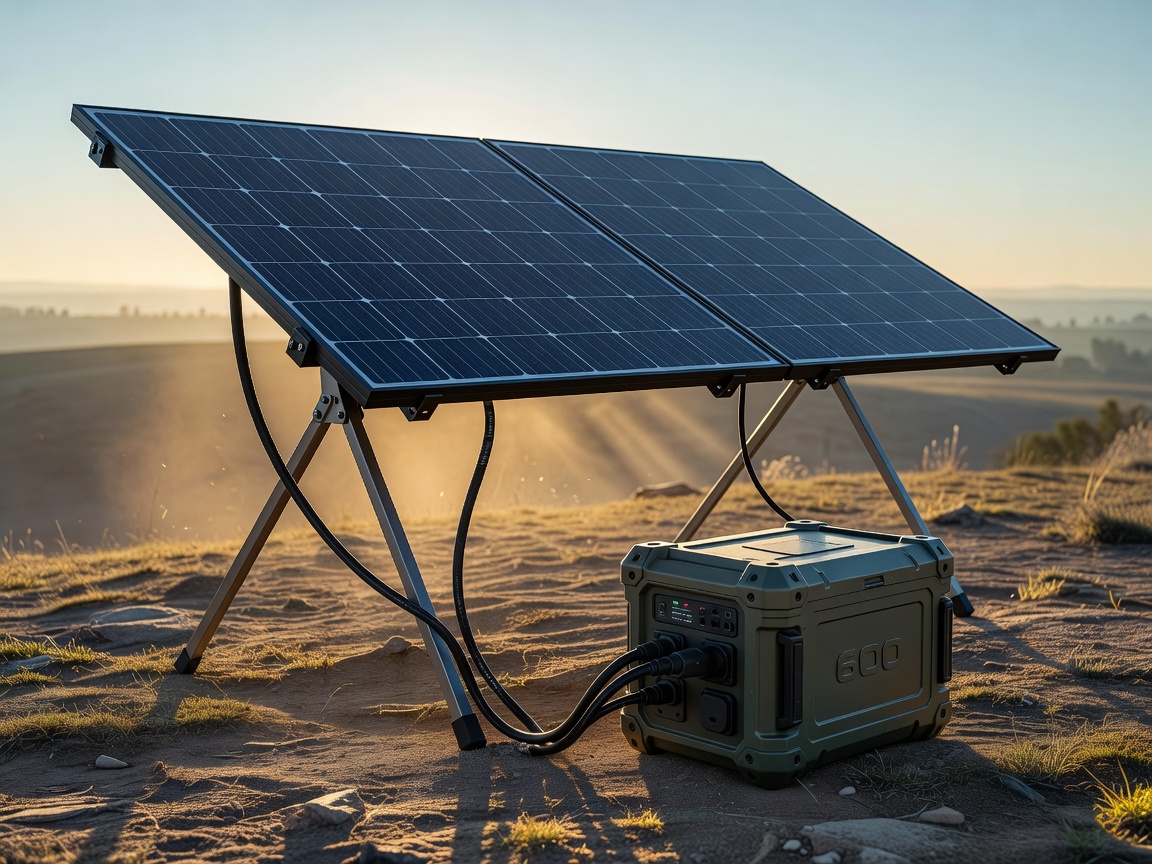
The true defining feature of a modern portable power station is its ability to act as a solar generator. By pairing your lithium battery pack with high-efficiency photovoltaic panels, you can achieve genuine off-grid independence. However, solar integration is rarely plug-and-play. Understanding the nuances of charge controllers, voltage limits, and wiring configurations is essential to prevent hardware damage and maximize energy yield.
MPPT vs. PWM Charge Controllers
Before power from a solar panel can safely enter a battery, it must pass through a charge controller. This component regulates the voltage and current to prevent overcharging. Modern portable power stations will feature one of two controller types built directly into the unit.
Pulse Width Modulation (PWM): This is an older, cheaper technology. A PWM controller essentially pulls the solar panel's voltage down to slightly above the battery's voltage. This results in significant efficiency losses, particularly if your panels operate at a much higher voltage than your battery. PWM is rarely seen in premium stations today but may still exist in budget units.
Maximum Power Point Tracking (MPPT): An MPPT controller is vastly superior. It continuously monitors the voltage and current of the solar panels and adjusts its resistance to find the "sweet spot" where the panels produce maximum power. It then efficiently converts this high-voltage DC power into the precise lower-voltage DC power the battery needs. An MPPT controller can yield up to 30% more energy from the exact same panels compared to a PWM controller, especially in cloudy or low-light conditions.
Never exceed the maximum Voc rating of your power station's input port. Doing so will bypass internal protections and instantly fry the charge controller, a mistake rarely covered by warranty.
Understanding Solar Input Limits (Voc and Amps)
Every portable power station has strict solar input parameters, usually listed near the DC input port or in the manual. These consist of a Voltage range (e.g., 12V - 60V) and a maximum Current limit (e.g., 12A).
- Voltage Open Circuit (Voc): This is the maximum voltage a solar panel produces when disconnected from a load (like under bright, cold sunlight). If your station's limit is 60V, and you connect panels with a combined Voc of 70V, you will destroy the controller. Cold weather actually increases a panel's voltage, so always leave a 10% safety buffer.
- Current (Amps): While exceeding voltage is fatal, exceeding amperage is generally harmless. If your station has a 12A limit, and your panels provide 15A, the MPPT controller will simply restrict the intake to 12A. The excess is wasted, but the unit remains safe.
Series vs. Parallel Wiring
When connecting multiple panels to achieve faster charging, you must choose how to wire them. The method you choose alters the voltage and amperage going into your station.
| Wiring Method | Effect on Voltage (V) | Effect on Amps (A) | Best Use Case |
|---|---|---|---|
| Series (Positive to Negative) | Adds together (e.g., 20V + 20V = 40V) | Stays the same | Long cable runs; pushing voltage up to meet MPPT startup requirements. Must ensure total V stays under station limit. |
| Parallel (Positives together, Negatives together) | Stays the same | Adds together (e.g., 5A + 5A = 10A) | Partial shading environments. Keeps voltage low if the station has a strict Voc limit. |
Real-World Expectations
It is important to manage expectations regarding solar yield. A solar panel rated for "100W" will rarely, if ever, provide exactly 100 watts to your battery. The rating is determined in laboratory conditions (Standard Test Conditions). In the real world, atmospheric interference, panel angle, temperature, and cabling losses mean that a well-positioned 100W panel will typically deliver 70W to 80W at peak sun hours. Always over-panel by 20-30% if you wish to reliably hit your station's maximum input capacity.